
In the contemporary automotive architecture of electric vehicles (EVs) and high-safety internal combustion platforms, reducing structural mass while escalating crashworthiness remains a primary engineering directive. Press Hardening Steel (PHS), specifically the boron-alloyed 22MnB5 (compliant with VDA 239-100 and EN 10346 specifications), serves as the metallurgical backbone for safety-critical Body-in-White (BIW) structures such as B-pillars, roof rail reinforcements, and bumper beams.
Through hot stamping processing—consisting of austenitization followed by rapid in-die quenching—22MnB5 transforms from a soft, workable ferritic-pearlitic blank into a fully martensitic matrix with an ultimate tensile strength exceeding 1500MPa.
However, as strength thresholds cross the critical 1200MPa boundary, the material's sensitivity to Hydrogen-Induced Delayed Fracture (HIDF), or hydrogen embrittlement, scales exponentially. Managing this sub-microscopic failure risk demands rigorous microstructural discipline throughout the processing and delivery lifecycle.
1. The Physics of Delayed Fracture in Martensitic 22MnB5
Hydrogen-induced delayed fracture is a catastrophic mechanics-of-materials phenomenon where a fully formed structural component, seemingly uncompromised during press output, experiences sudden brittle cracking hours, days, or weeks post-assembly under static tensile loads. This latency makes HIDF an exceptionally high-risk failure mode for international Tier-1 stamping facilities and OEMs.
The destructive pathway of hydrogen within a fully hardened 22MnB5 martensitic lattice operates on a micro-scale sequence:
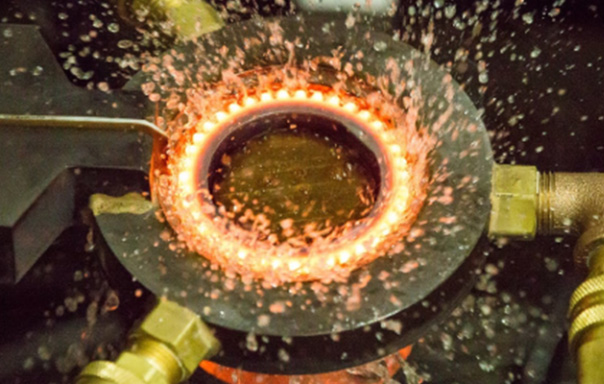
Hydrogen Introduction and Absorption: Environmental moisture reacts with the steel surface during the high-temperature (880℃ to 930℃) austenitization phase inside the roller hearth furnace. Atomic hydrogen is absorbed into the open, highly receptive face-centered cubic (FCC) austenite structure.
Diffusible Trapping and Migration: Upon rapid die quenching, the matrix undergoes a diffusionless transformation into a distorted body-centered tetragonal (BCT) martensitic structure. The interstitial solubility of hydrogen drops abruptly. Residual, unbound "diffusible" hydrogen atoms migrate freely through the lattice, driven by local stress gradients.
Grain Boundary Cohesion Failure: Under the influence of internal structural stresses or external assembly preload, diffusible hydrogen aggregates along prior austenite grain boundaries (PAGBs). This concentration drastically lowers the cohesive strength of the atomic bonds, triggering localized micro-void nucleation and resulting in intergranular cleavage under loads well below the material's nominal yield limit.
2. Microstructural Interventions: Engineering the Irreversible "Hydrogen Trap"
To secure 100% immunity against delayed fracture for overseas transit and assembly, ALLOWORD’s supply chain enforces an advanced micro-alloying strategy targeted at controlling hydrogen diffusion kinematics. By altering the microstructural matrix, diffusible hydrogen is rendered immobile.
Capitalizing on Nano-Scale Precipitate Traps
The core defensive mechanism utilized in ALLOWORD's 22MnB5 involves the introduction of precise micro-additions of Titanium (Ti), Niobium (Nb), and Vanadium (V). During the controlled thermomechanical rolling and subsequent hot stamping heat treatment, these elements form highly stable, coherent nano-scale carbides and nitrides.
These nano-precipitates possess high activation energy boundaries that function as irreversible "hydrogen traps." Free-floating diffusible hydrogen atoms are captured within the stress fields of these nano-carbides. Once trapped, the hydrogen lacks the thermodynamic energy to escape at ambient automotive operating temperatures (up to 80℃), preventing its migration toward critical grain boundaries and successfully breaking the HIDF failure chain.
Prior Austenite Grain Boundary (PAGB) Refinement
The sensitivity to hydrogen fracture is inversely proportional to the total grain boundary surface area. Standard 22MnB5 under prolonged furnace exposure exhibits grain coarsening, concentrating trace hydrogen along fewer boundaries.ALLOWORD’s processing parameters ensure a hyper-refined prior austenite grain structure (typically ASTM grain size index ≥10). By multiplying the total area of grain boundaries per unit volume, any residual hydrogen is diluted across a vastly expanded geometric network. This keeps local hydrogen concentrations below the critical threshold required to initiate micro-cracking.
3. Processing Controls and Al-Si Coating Homogeneity
In addition to core metallurgical modifications, preventing HIDF requires strict management of surface coatings and production atmospheres:
Atmospheric Control during Austenitization: Furnace dew points must be strictly regulated. Excessive moisture within the gas direct-fired or electric heating zones accelerates the decomposition of water molecules on the bare steel surface, spiking the concentration of available atomic hydrogen. ALLOWORD advocates and monitors dry nitrogen or protective ambient profiles across processing lines.
Al-Si Coating Boundary Optimization: 22MnB5 is widely deployed with a pre-applied Aluminum-Silicon (Al-Si) coating to prevent oxidation and decarburization during hot press operations. During furnace heating, this coating interdiffuses with the steel substrate to form a protective ternary iron-aluminum-silicon alloy layer.
The Intermetallic Barrier: If the hot stamping dwell time is insufficient, the interdiffused layer remains incomplete, allowing rapid hydrogen penetration. Conversely, over-baking creates brittle intermetallic phases that develop micro-cracks under stamping friction, creating direct capillary pathways for moisture ingress during post-press storage. ALLOWORD’s structural matrix ensures a uniform, fully alloyed Al-Si barrier layer with structural elasticity to withstand multiaxial drawing.
Conclusion: Mitigating Cross-Border Structural Risk with ALLOWORD
For global automotive procurement directors and SQE teams managing cross-border BIW platforms, sourcing hot stamping components introduces long-range logistic strain. Components may experience varying marine humidity profiles during 45-day transoceanic shipping cycles. Utilizing a non-optimized 22MnB5 chemistry risks systemic delayed fracture containment issues upon arrival at destination assembly plants.
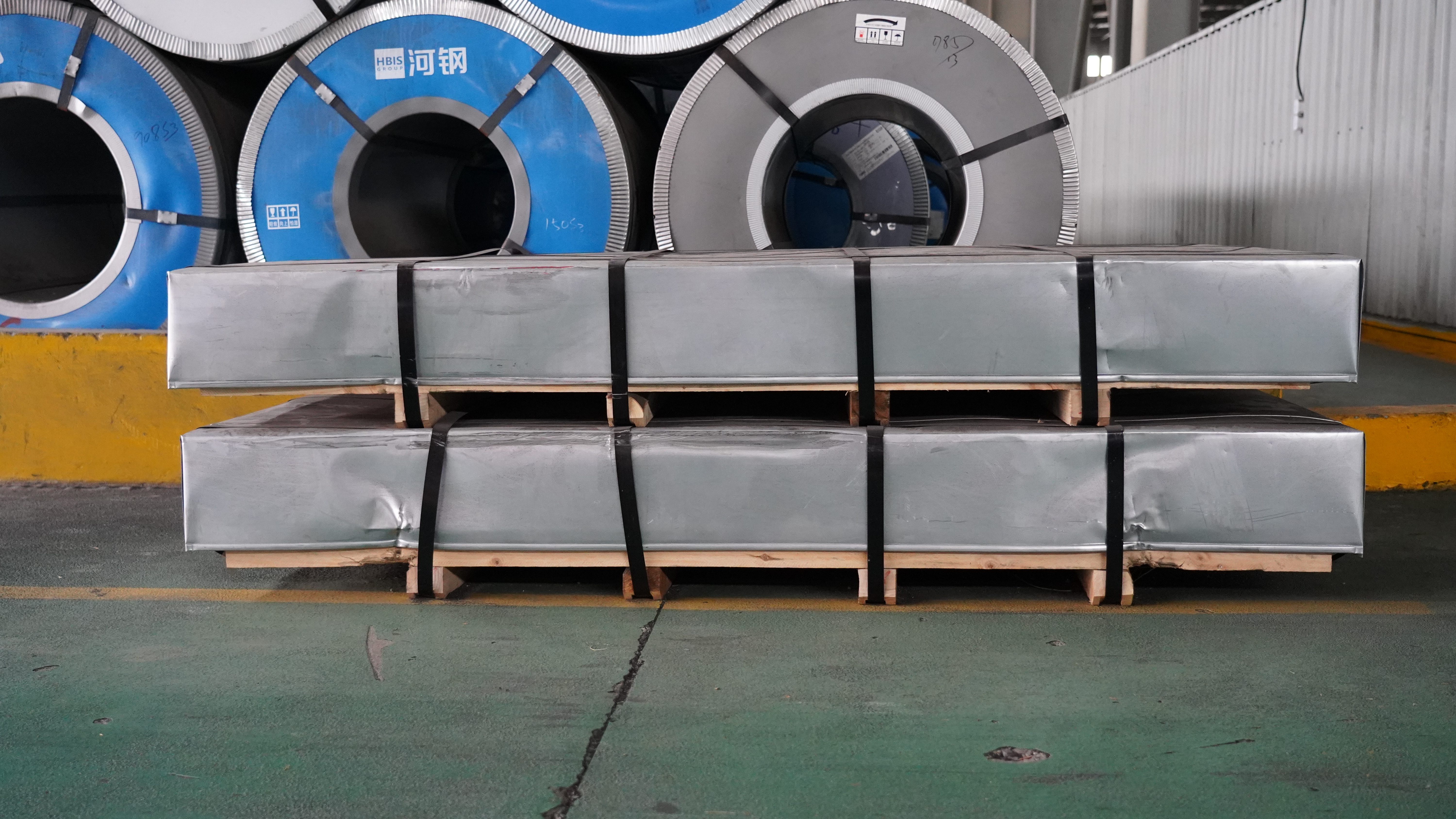
As a high-tier supply partner to international automotive networks, ALLOWORD delivers fully authenticated, micro-alloyed 22MnB5 press hardening steel sheets and parent coils. Our automotive-grade allocations maintain precise chemical discipline with strict inclusion controls (P≤0.015%, S≤0.005%) and optimized grain-refining additions. Every dispatch is accompanied by verified EN 10204 3.1 Mill Test Certificates (MTCs), complete with high-temperature deformation metrics and validated hydrogen trap efficacy profiles.
Request Advanced Material Parameters & Export Pricing:ALLOWORD’s Automotive High-Strength Flat-Rolled Division provides complete Continuous Cooling Transformation (CCT) diagrams, hot-forming limit curves, and customized coil slitting widths executed to automotive-grade tolerances. To download full material technical specifications or to request a commercial contract quotation for global global port delivery, visit the official ALLOWORD digital portal or consult directly with our international applications engineers.

Baoshan District,
Shanghai, China.