
As a high-strength and high-quality structural steel plate, QStE550TM is widely used in key fields such as construction engineering, bridge construction, automobile manufacturing and shipbuilding due to its excellent mechanical properties. Throughout the entire production and processing process, flatness is a core quality index that directly determines the subsequent processing adaptability, finished product structural stability and service safety of the steel plate. Diagonal flatness, as an important dimension of flatness detection, is the key to controlling the overall flatness of the steel plate. This paper focuses on the key points of controlling the flatness of QStE550TM steel plates, and comprehensively analyzes how to ensure the compliance of its flatness from influencing factors to specific control methods.
Flatness is a core index for measuring the flatness deviation of the surface of QStE550TM steel plates, and it plays a decisive role in the use effect and safety performance of the steel plates.
Excellent flatness enables QStE550TM steel plates to bear uniform stress in subsequent processing links such as welding, bending and assembly, ensuring the full exertion of their designed bearing capacity and fatigue strength. At the same time, it reduces the risk of local corrosion caused by surface unevenness and improves corrosion resistance. If the flatness of the steel plate fails to meet the standards, especially the deviation of diagonal flatness, it will directly lead to stress concentration during the use of the steel plate. Deformation, cracking and other problems are prone to occur after subsequent installation, which greatly reduces the stability of the finished structure and seriously affects the service life and safety of the product.
2. Core Factors Affecting the Flatness of QStE550TM Steel Plates
The flatness of QStE550TM steel plates is affected by multiple factors in all production links, focusing on three key links: raw materials, rolling process and heat treatment process. Improper control of any link will cause flatness deviation.
Raw Material Quality
The composition uniformity and metallographic structure consistency of raw materials are the foundation for ensuring flatness. If the QStE550TM steel billet has problems such as composition segregation and uneven structure, the plastic deformation capacity of each part of the billet will be different in the subsequent rolling process, which is very easy to cause local stress concentration, and ultimately lead to flatness problems such as warpage and unevenness of the steel plate after rolling.
Rolling Process Parameters
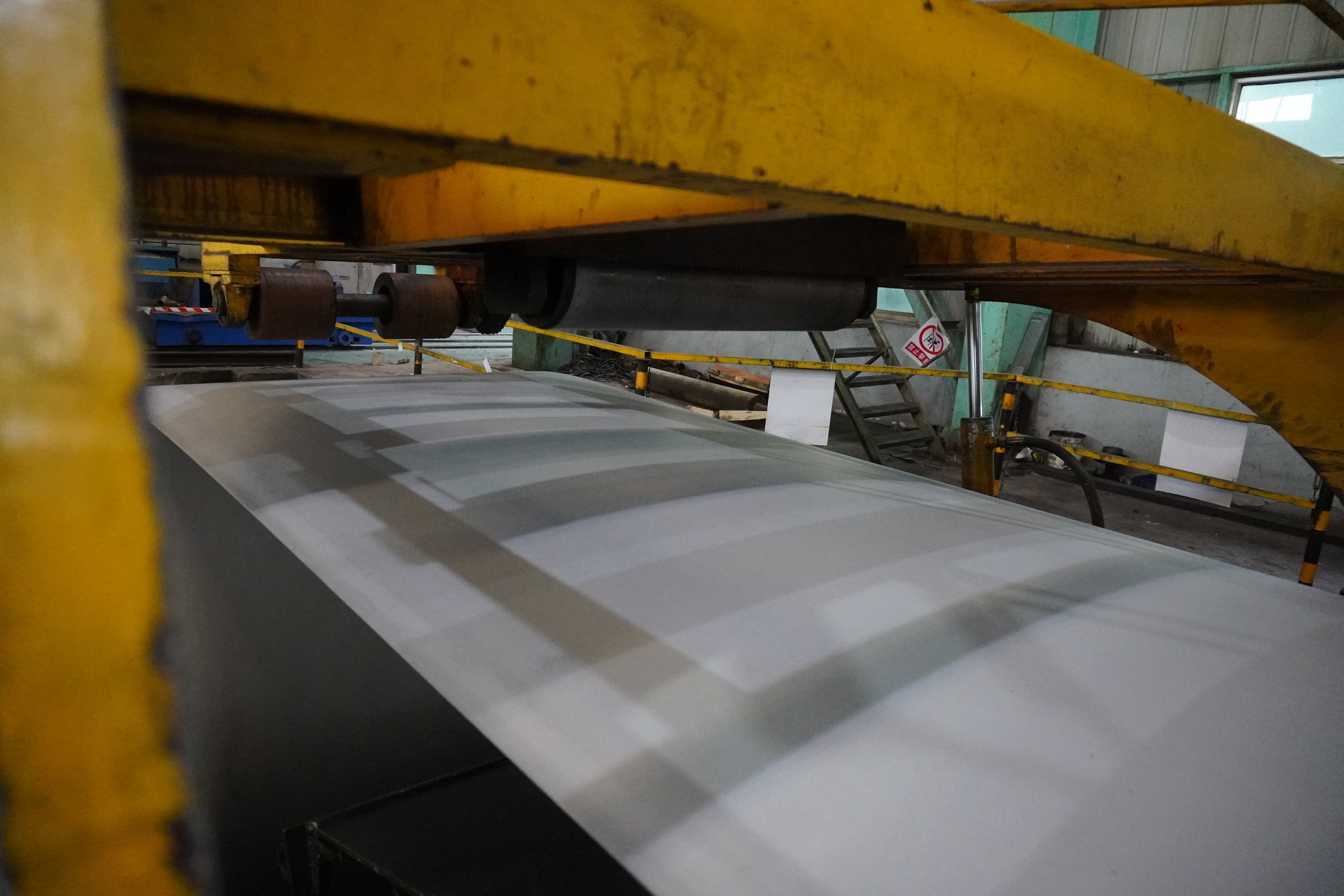
Rolling is the core process that determines the flatness of QStE550TM steel plates, and the setting of process parameters and equipment status directly affect the rolling effect. The rolling temperature, rolling force and distribution of pass reduction will directly affect the deformation of each part of the steel plate; the wear degree of rolling rolls and the parallelism of rolling rolls will lead to uneven stress on the steel plate during the rolling process, and then cause flatness problems such as one-side thickness and diagonal deviation.
Heat Treatment Process Control
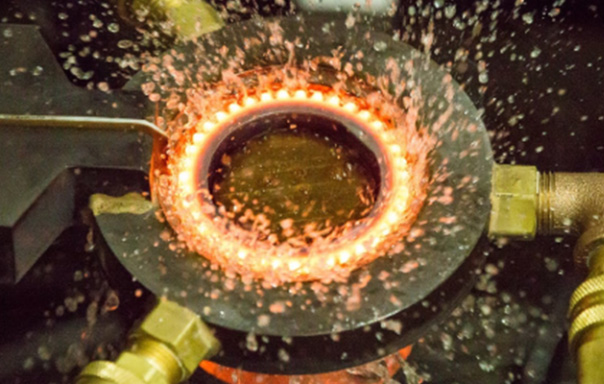
As a high-strength steel plate, QStE550TM steel plate needs professional heat treatment to ensure its mechanical properties, and the control of temperature and cooling rate in the heat treatment process has a significant impact on flatness. If the temperature distribution in the furnace is uneven during heat treatment, or the cooling rate of each part of the steel plate is quite different in the cooling stage, it will lead to uneven thermal stress and structural stress inside the steel plate, and the release of stress will cause the deformation of the steel plate and damage the flatness.
3. Specific Control Methods for the Flatness of QStE550TM Steel Plates
Targeted measures are adopted in each production link to control flatness precisely:
1. Raw material control: Conduct full inspection on incoming billets, eliminate defective ones, and perform homogenization treatment to ensure consistent deformation capacity.
2. Rolling process optimization: Set rolling parameters accurately, maintain roll condition, and adopt online detection to correct deviations in real time.
3. Heat treatment standardization: Ensure uniform furnace temperature and cooling rate, and conduct low-temperature tempering for stress relief.
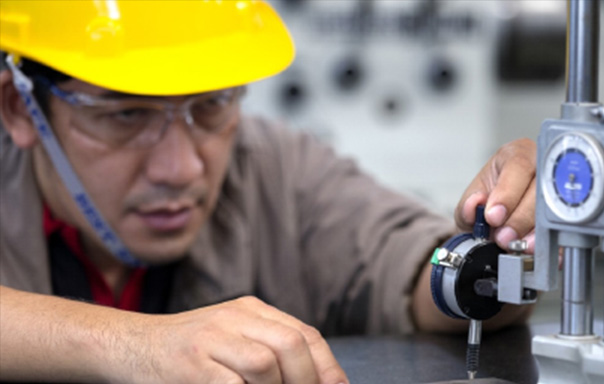
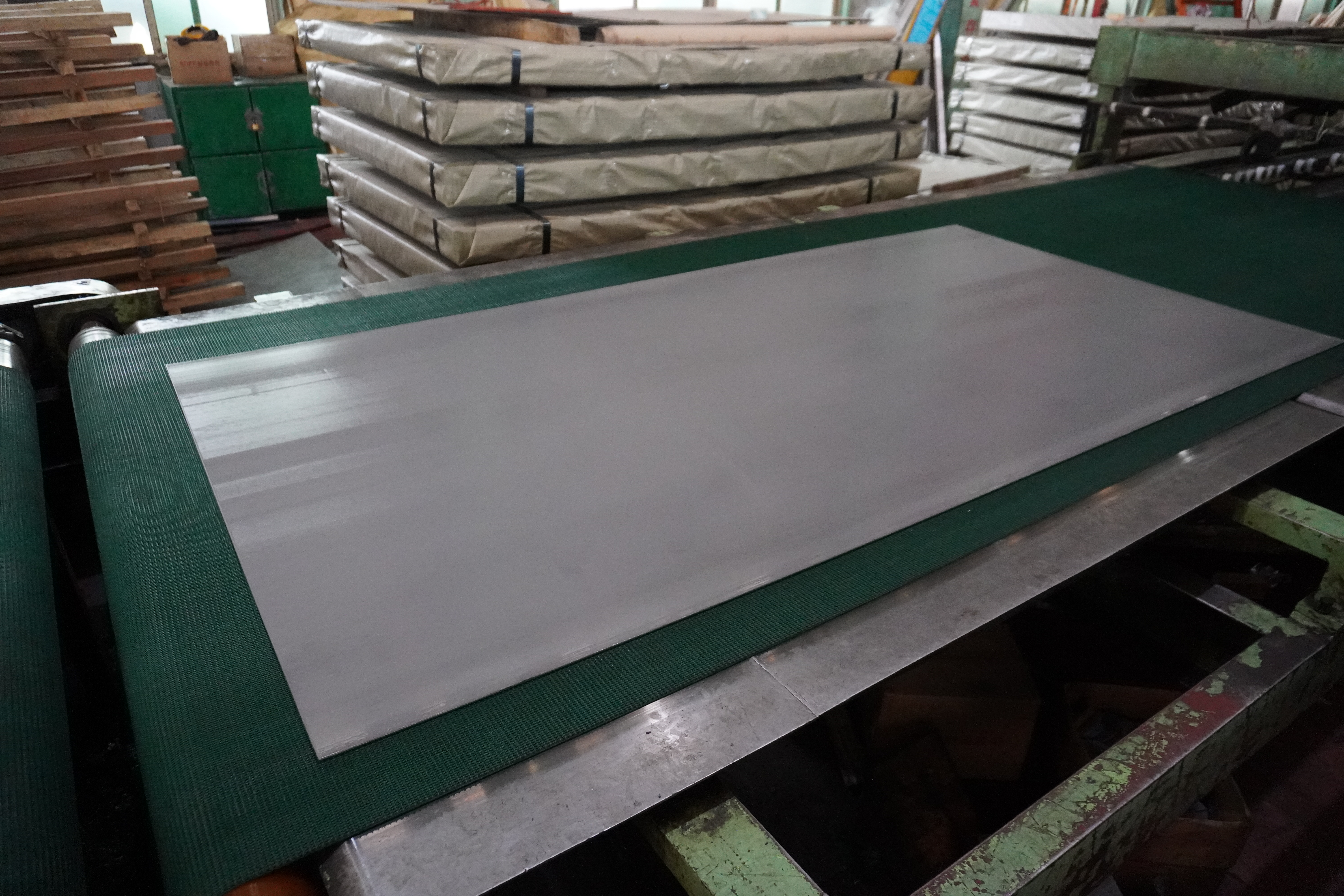
4. Finished product handling: Straighten slightly deviated plates, and fully inspect flatness (focus on diagonal index) before delivery.
4. Summary
The flatness control of QStE550TM steel plates is a systematic work that runs through the entire process of raw material incoming, rolling processing, heat treatment and finished product straightening, among which diagonal flatness is the key to measuring the overall flatness. The uniformity of raw materials, the accuracy of rolling process and the standardization of heat treatment are the core elements to ensure flatness.

Baoshan District,
Shanghai, China.