

Daily press, 2026-01-27, 03:59 pm
Solving Stainless Steel Stress Issues: 3 Practical Methods for Processing Problems
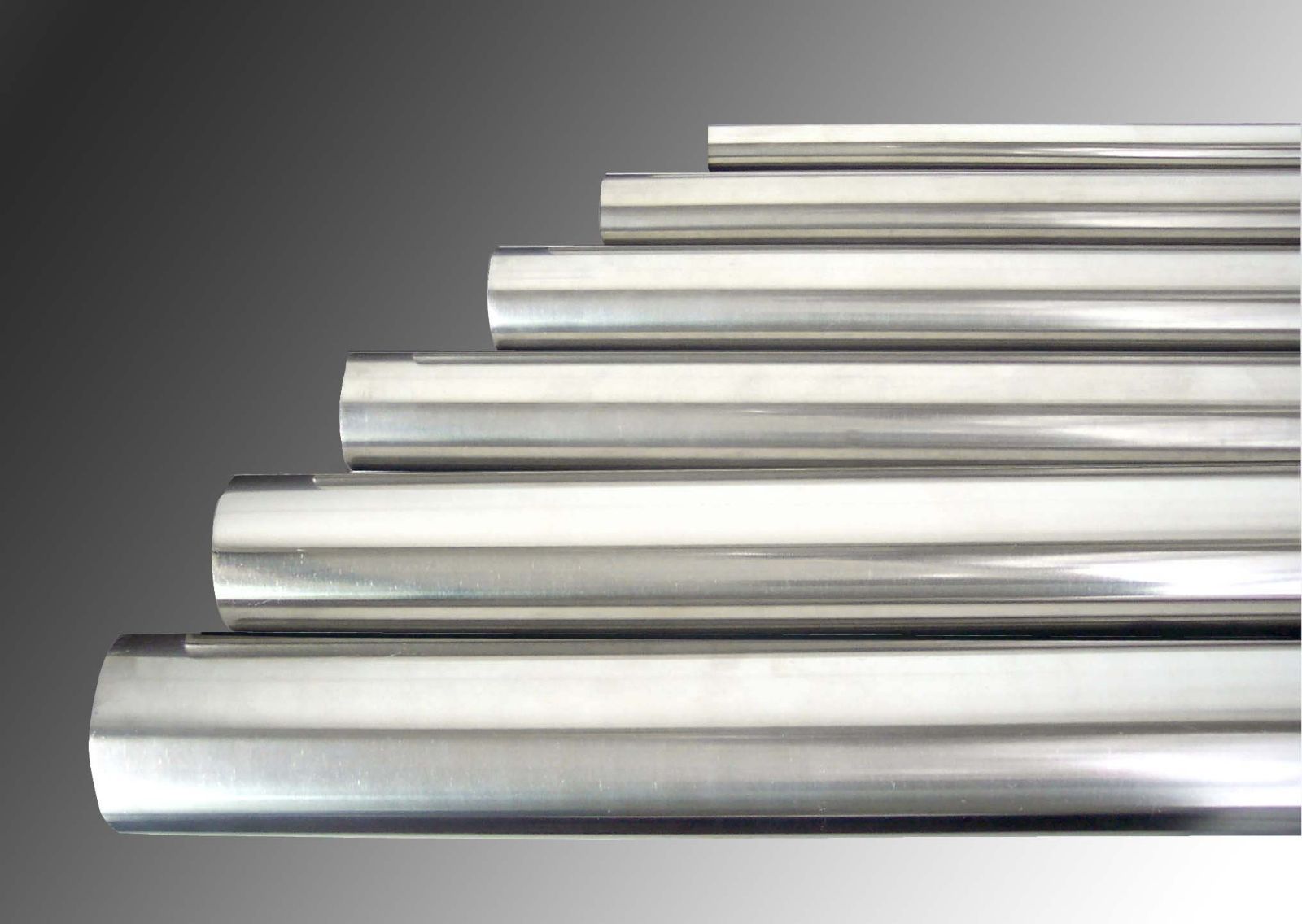
Stainless steel, with its high corrosion resistance and strength, is widely used in kitchenware, machinery, hardware and other fields. However, during processing (bending, welding, cold rolling) or use, it is prone to deformation and cracking due to internal stress, affecting precision and service life—for example, edge deformation of stainless steel tableware and cracking of welded parts are both caused by stress. Below are 3 practical methods to address the problem from the source, processing stage and post-treatment.
Stress tends to concentrate at structural discontinuities, and optimized design can avoid this from the root. The core is to avoid sharp corners and right angles, using fillets for buffering: the fillet radius for sheet metal bending should be ≥1.5 times the sheet thickness, and edges of stamping parts and mechanical components should have a fillet of R3 or larger to reduce local stress superposition.
Case: A kitchenware factory’s stainless steel basin, originally designed with right-angle bending, had a high welding cracking rate and only 70% qualification rate. After adjusting to R5 fillet bending, there were no deformation or cracking issues, and the qualification rate rose to over 98%.
II. Process Adjustment: Control Stress Generation During Processing
Heat input and cold working intensity during processing are the main sources of stress, which can be effectively controlled by optimizing processes. Use small current and short arc for welding to reduce heat input and thermal stress; perform low-temperature annealing immediately after cold working—for example, cold-rolled sheets can be insulated at 200-300℃ for 1 hour and then cooled slowly to release residual stress.
Data: A machinery factory’s traditional manual welding of stainless steel parts had a 30% stress over-standard rate. After switching to argon arc welding (small current) plus post-cold-working annealing, the over-standard rate dropped to 12%, with improved stability.
III. Professional Treatment: Targeted Elimination of Residual Stress
For existing residual stress, targeted treatment based on stainless steel type is required to balance stress elimination and material performance.
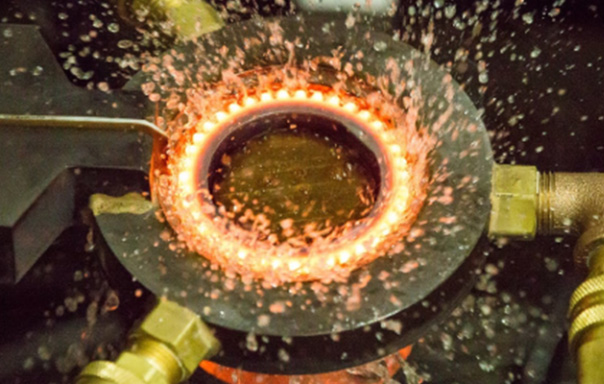
For austenitic stainless steel (e.g., 304, 316), solution treatment is recommended: heat to 1050-1100℃ and then water quench to eliminate stress and restore corrosion resistance. For martensitic stainless steel, low-temperature annealing at 650-750℃ is used to release stress and prevent cracking.
Effect: 304 stainless steel parts undergoing standard solution treatment have a 60% improvement in deformation resistance and better fatigue resistance.
Summary
Summary: The key to solving stainless steel stress issues is the combination of "prevention + treatment". Small parts can be tapped manually or subjected to simple annealing; for complex, high-precision products, professional institutions are recommended to completely avoid deformation and cracking risks.
Related Reading
Other News
Contact and Support

Ilin Ye
Steel Business Manager
5F, Building 7, No. 7 Youyi Road,
Baoshan District,
Shanghai, China.
Baoshan District,
Shanghai, China.
t/f: +86 (0)21 56162819
m: +86 15618590326
Further questions?

Please feel free to contact us for more information or enquiries.