
Pruning shears, also known as manual pruners or clippers, are specialized tools primarily used in gardening and agriculture for trimming and shaping plants. They are designed to provide clean and precise cuts, which are essential for maintaining plant health. The blades of pruning shears are typically made of high-strength steel to ensure sharpness and durability, and there are various types to suit different cutting tasks. Pruning shears are crucial in modern gardening and agriculture. Their design and functionality make them the perfect tool for ensuring plant health and farm management efficiency. They are more than just simple cutting tools; they are essential for enhancing productivity and plant vitality. In this article, we will explore the benefits and uses of pruning shears in gardening and agriculture.
Types of Pruning Shears
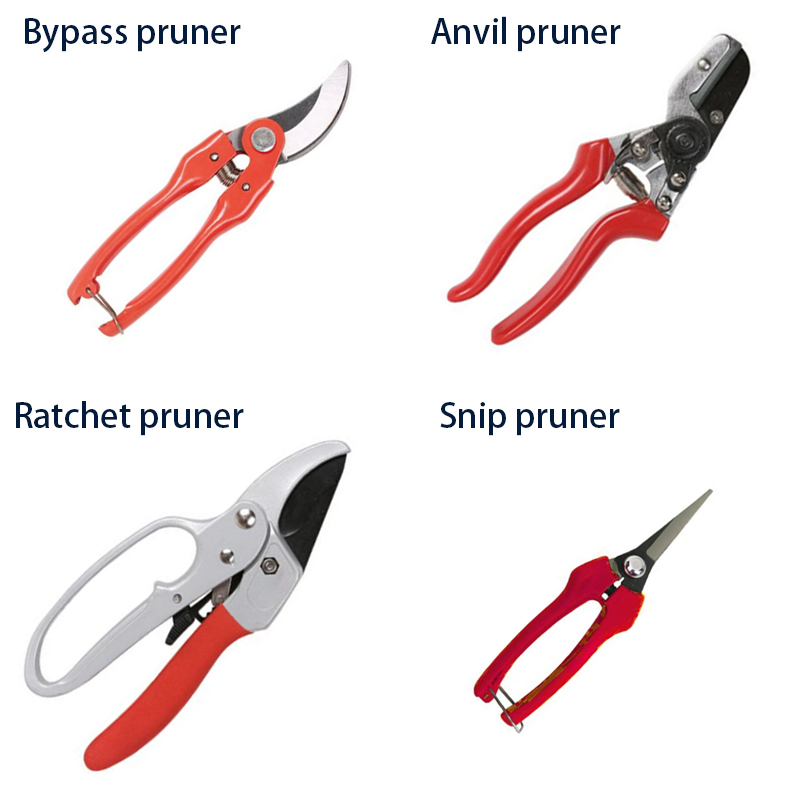
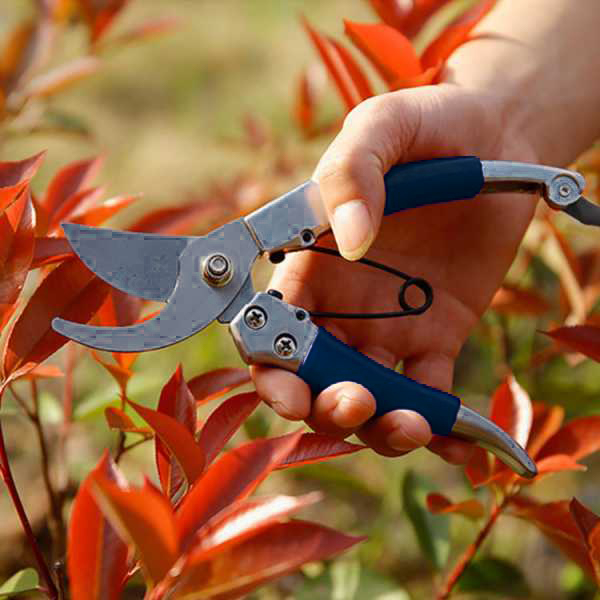
Bypass Pruning Shears: These are the most common type of pruning shears, ideal for clean cuts on live plants and flowers. They work like scissors, with two curved blades that cross each other, hence the name "bypass."
Anvil Pruning Shears: These have a straight blade that closes onto a flat edge (anvil), suitable for cutting dry, dead plant material. The action is similar to a knife on a cutting board and may crush softer stems.
Ratchet Pruning Shears: These shears use a step-by-step cutting mechanism, increasing the applied force with each squeeze. This type of pruning shear is particularly useful for those with weaker hands or for cutting through tougher branches.
Pruning Snips: Designed for fine, precise work, these are typically used for trimming herbaceous plants, flowers, or any plant that requires careful attention to detail. Pruning snips are smaller and lighter, allowing for delicate work without damaging the plants.
Benefits of Pruning Shears
Healthier Plants: Pruning is crucial for removing dead or diseased branches, helping to prevent the spread of pests and diseases in crops. Regular use of pruning shears ensures precise and clean cuts, minimizing damage to plants and promoting faster healing.
Increased Productivity: Properly pruned plants have better structure and higher yields, as they do not waste energy on unnecessary or dead branches. This makes farmers and gardeners more efficient in their work.
Customized Plant Growth: Pruning allows farmers to control the shape and growth patterns of plants. Strategic pruning with pruning shears can guide plants to grow in desired directions, optimize space, and improve sunlight exposure, which is vital for plant health.
Uses of Pruning Shears
Orchards: In vineyards, pruning shears are used to maintain grapevines, which is crucial for controlling the quality and quantity of grapes. Similarly, in orchards, they help manage the shape and size of trees to improve fruit yield.
Gardens: Pruning shears are also used in gardens to shape plants, remove wilted flowers, promote new growth, and extend the blooming period.
Agriculture: On larger farms, especially where precision and efficiency are critical, pruning shears help maintain extensive crops like tomatoes and peppers, which require regular pruning to thrive.
Pruning Shears Buying Tips
Choose the Right Type: Select pruning shears based on your specific pruning tasks. Bypass shears are great for live plants, while anvil shears are better for dead material.
Blade Material: High-quality pruning shear blades are typically made from high-strength steel to ensure sharpness and durability. Opt for blades with rust-resistant coatings to extend their lifespan.
Handle Design: Ergonomic handle designs reduce hand fatigue, making pruning more comfortable. Handles with non-slip coatings improve comfort and safety during use.
Cutting Mechanism: For heavy-duty tasks or if you have weaker hands, ratchet pruning shears are ideal. Their step-by-step cutting mechanism increases the force applied with each squeeze.
By considering these tips, you can choose the best pruning shears to meet your gardening or agricultural needs.


Baoshan District,
Shanghai, China.