
In the era of automotive lightweighting, High-Strength Steels (HSS) such as QStE550TM and Dual-Phase (DP) grades are indispensable. However, manufacturers frequently encounter two critical bottlenecks: Edge Cracking and Springback. While often blamed on "poor material quality," the root causes typically lie in the Slitting Edge Integrity and Internal Residual Stress.
1. The Phenomenon: Why HSS is Sensitive to Processing
Unlike mild steel with high ductility, High-Strength Steel (Yield Strength > 550 MPa) operates at a different metallurgical limit:
High Yield-to-Tensile Ratio: HSS carries a massive load before plastic deformation. Once the limit is reached, strain concentrates rapidly.
Edge Sensitivity: If a slitted edge is rough or harbors micro-cracks from improper shearing, these defects act as stress concentrators. During flanging or hole expansion, these micro-cracks propagate instantly, leading to catastrophic part failure.
2. Deep Root Cause Analysis: The "Invisible" Stress Traps
A. Edge Work Hardening
When steel is slit using standard industrial shearers, the edge undergoes intense localized plastic deformation. For high-strength grades, this creates a Work-Hardened Zone—a brittle "ring" around the part’s perimeter. This hardened layer is the primary initiation point for cracks during subsequent forming.
B. Residual Stress & Springback
During hot or cold rolling, uneven cooling or reduction creates internal longitudinal and transverse stresses. When you perform laser cutting or precision stamping, this equilibrium is disrupted. The result is warping or bowing, which compromises the dimensional accuracy required for automated robotic welding.
3. The ALLOWORD Solution: Engineering the Perfect Input
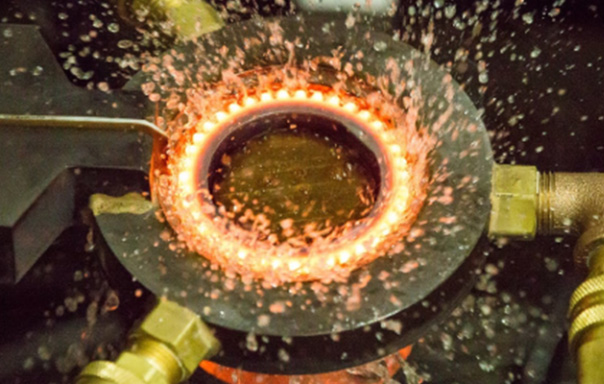
At ALLOWORD, we don't just supply steel; we engineer its "processability" through advanced post-rolling technologies:
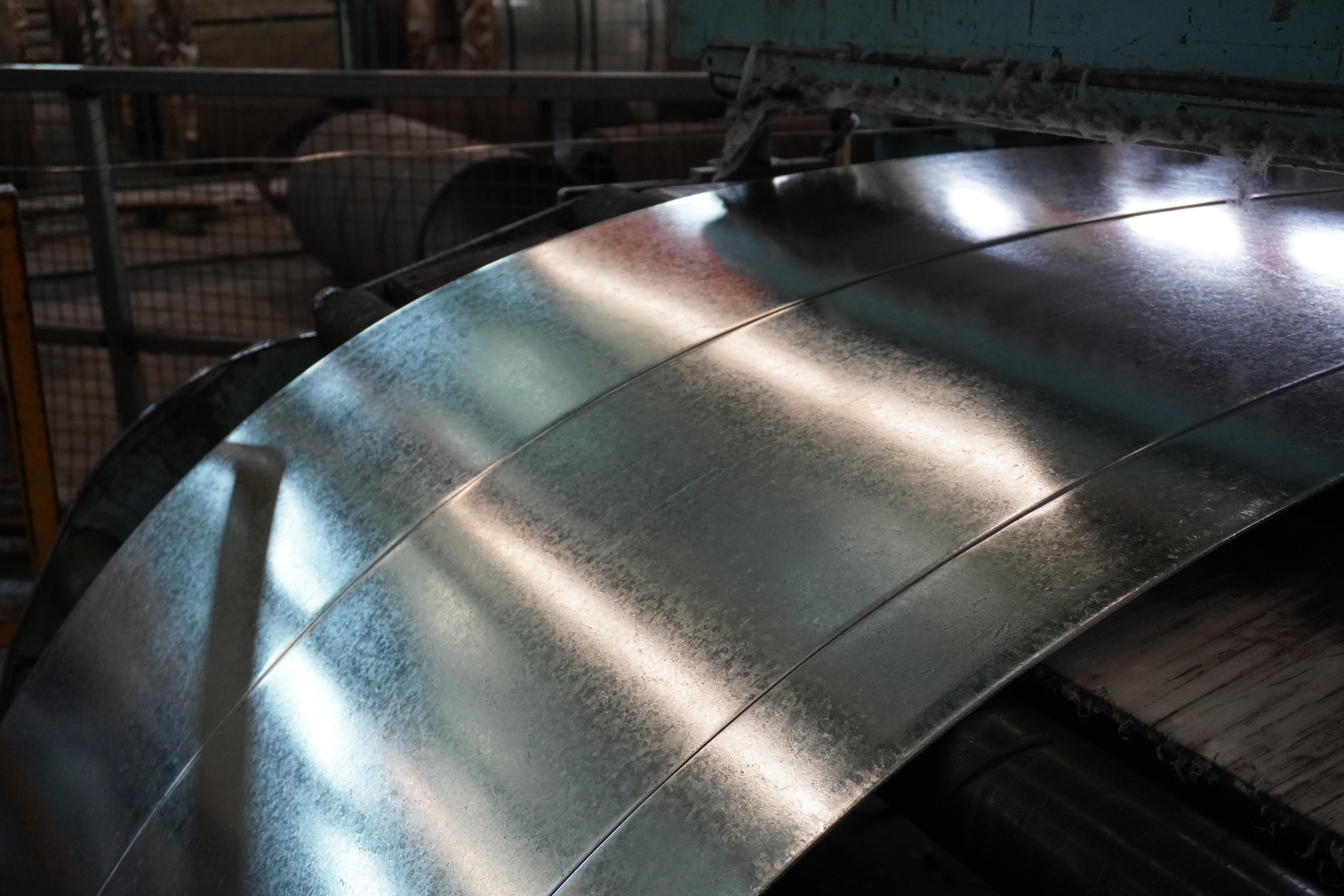
I. Precision Slitting & Edge Conditioning
We utilize high-precision tooling with strictly calibrated clearances to manage the ratio of Rollover, Shear, and Fracture zones on the slitted edge.
The Result: Minimal burr height and a significantly reduced work-hardened layer. This drastically improves the Hole Expansion Ratio (HER), ensuring that complex geometries can be bent or flanged without cracking.
II. Multi-Roll Precision Leveling
ALLOWORD’s heavy-duty leveling lines subject the steel to alternating plastic-elastic bending cycles.
The Result: Deep relief of residual stresses. Our leveled QStE and DP plates maintain extreme flatness after laser cutting. This predictable material behavior reduces die-tuning time by over 20%, ensuring a stable automated production line.
4. Expert Selection Advice for Engineers
When sourcing high-strength structural steel, look beyond the "Grade" and "Price." Consider the Processing Consistency:
For Complex Geometries: Always specify leveled plates to control springback.
For Hole-Expansion/Flanging: Verify the slitting edge quality to avoid stress concentration from excessive burrs.
ALLOWORD (Ushine) maintains total control—from metallurgical standards to the finest slitting details—ensuring that every sheet of steel performs reliably in your most demanding production environments.
Baoshan District,
Shanghai, China.