
In the manufacturing of precision blades, saws, and high-strength stamping components, SK5 (T10) high-carbon tool steel is widely favored for its exceptional hardness and wear resistance. However, manufacturers often face the dilemma of inconsistent tool life despite using the same steel grade. Research from ALLOWORD indicates that the decisive factor for cutting performance lies not in the chemical composition table, but in the carbide uniformity within the microstructure.
1. Carbide Uniformity: The Invisible Divider of SK5 Performance
As a hypereutectoid steel with a carbon content of 0.80% - 0.90%, SK5's microstructure primarily consists of pearlite and carbides distributed within the matrix.
Ideal State: Carbide particles are small, spherical (spheroidized), and finely dispersed throughout the ferritic matrix.
Suboptimal State (Segregation): If carbides appear in networked, banded, or large-grain clusters, they create anisotropy. These clusters act as "brittle fracture sources" during cutting.
ALLOWORD Technical Viewpoint: Non-uniform carbide distribution causes fluctuations in micro-hardness at the cutting edge. During high-speed cutting, carbide clusters (which are extremely hard) cause severe abrasive wear, while carbide-depleted areas are prone to plastic deformation. This imbalance leads to premature chipping or unstable cutting forces.
2. Spheroidizing Annealing: The Core Process for Carbide Control
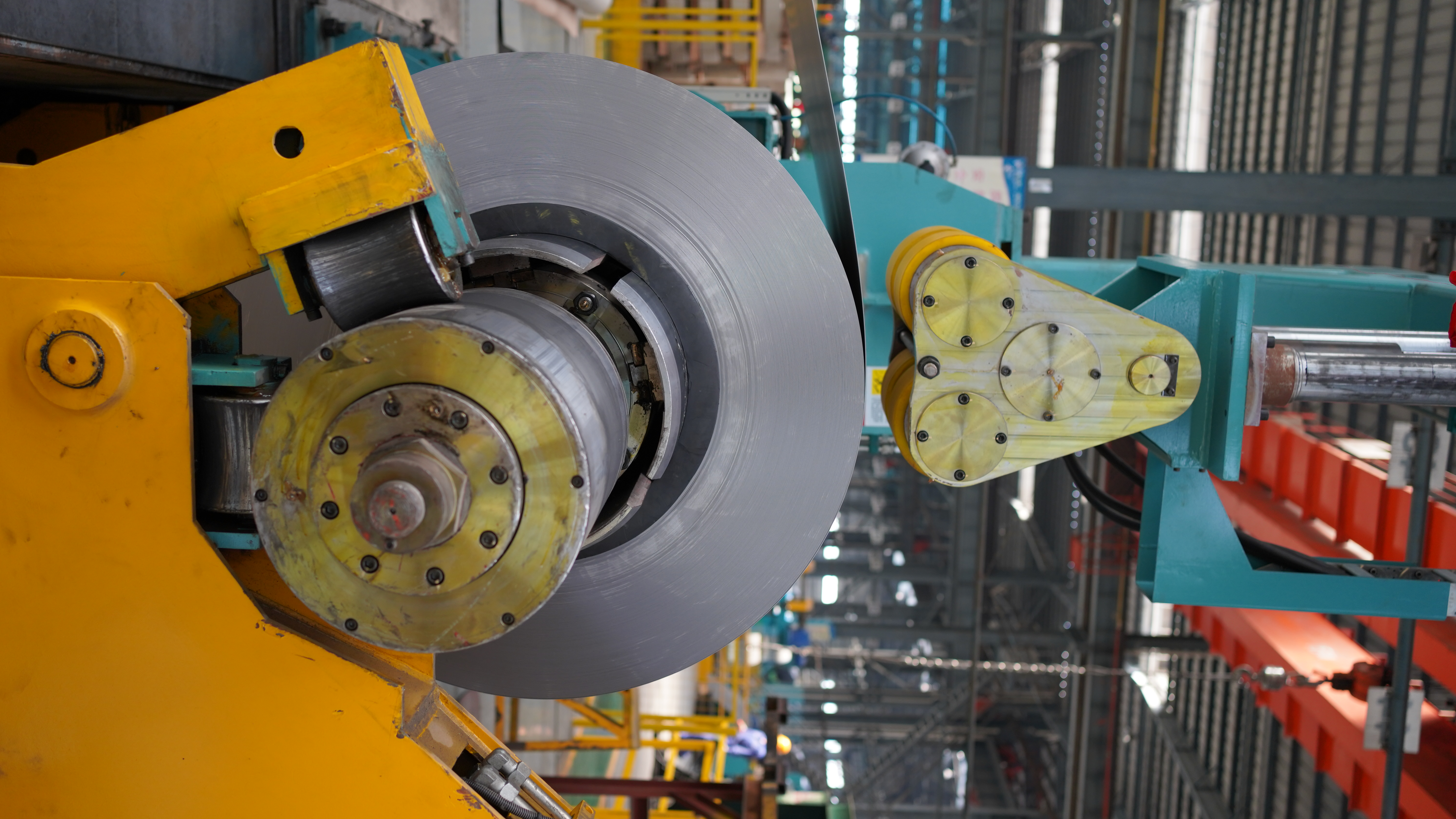
To achieve peak cutting performance, SK5 must undergo precise Spheroidizing Annealing before leaving the mill.
1.Eliminating Networked Structures: By controlling cooling rates, the brittle networked carbides from the hot-rolling stage are broken down, preventing quenching cracks.
2.Refining Particle Size: ALLOWORD utilizes multi-cycle cyclic annealing to control carbide dimensions at the micron level. Finer particles result in higher micro-level regularity of the cutting edge.
3.Enhancing Machinability: Proper spheroidization not only improves the final product's wear resistance but also significantly reduces mold and tool wear during the customer's stamping and grinding stages.
3. How Uniformity Translates into Productivity
By meticulously managing SK5 carbides, precision tools gain three major competitive advantages:
1.Consistency and Self-Sharpening:
Uniform carbides ensure the blade edge wears evenly at a microscopic level. The absence of local chipping extends the intervals between regrinding.
2.Dimensional Stability During Heat Treatment:
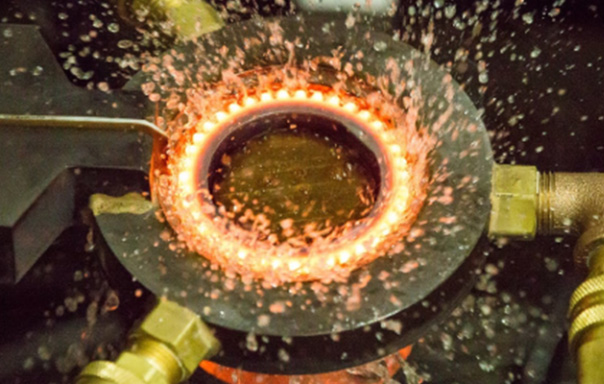
The more uniform the carbide distribution, the smoother the austenitization process. This minimizes warpage and distortion during quenching—critical for thin, precision blades.
3.Superior Impact Toughness:
Eliminating banded segregation aligns the material's transverse and longitudinal properties. This enhances the tool's resistance to impact by over 20% when processing high-hardness workpieces.
4. The ALLOWORD Commitment to Precision
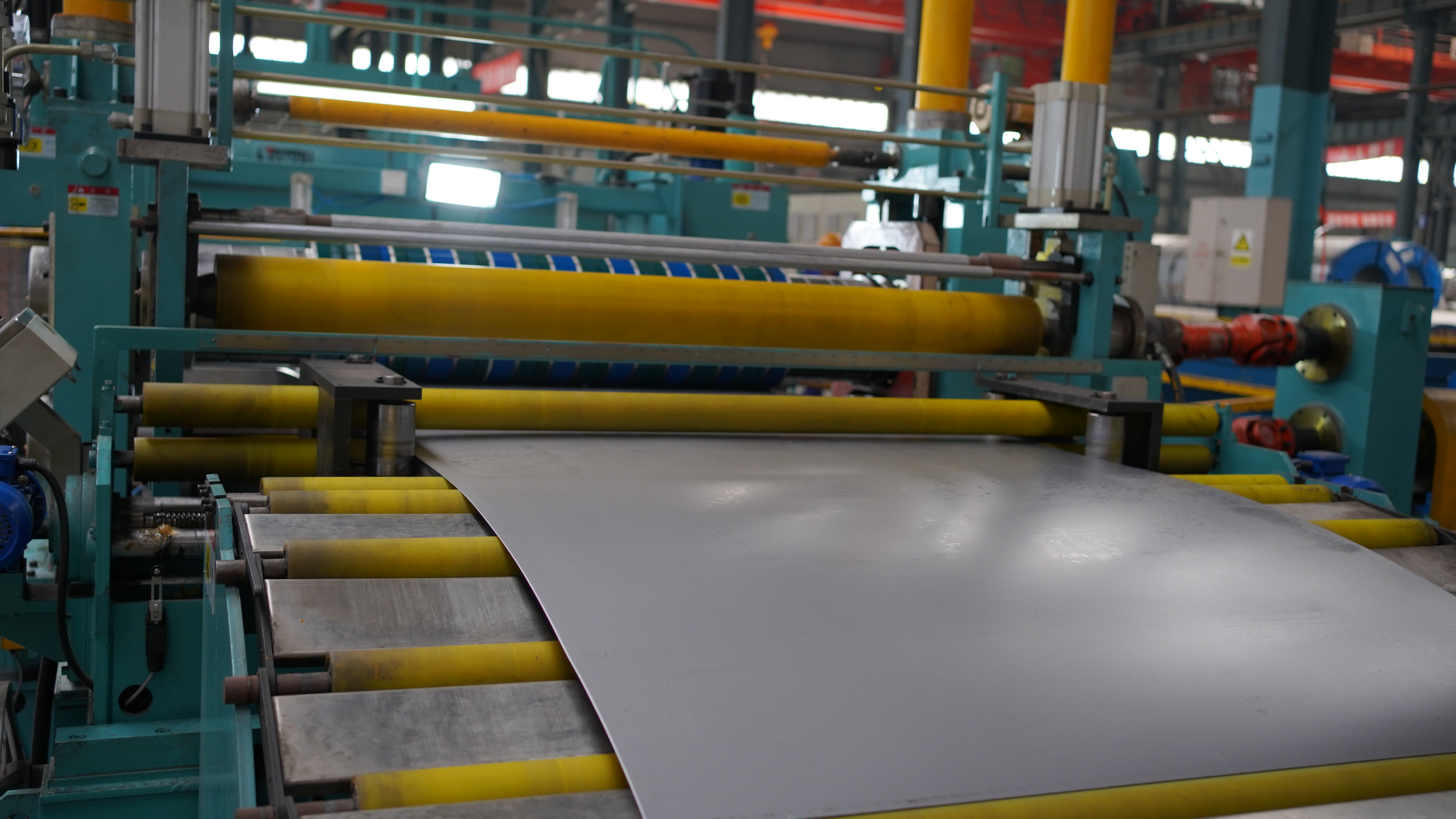
At ALLOWORD, we provide more than just standard SK5 steel strips; we deliver "Predictable Processing Performance":
1.Micron-Level Thickness Tolerance: Controlled within ±0.003mm to ensure maximum stepping accuracy in automated continuous stamping.
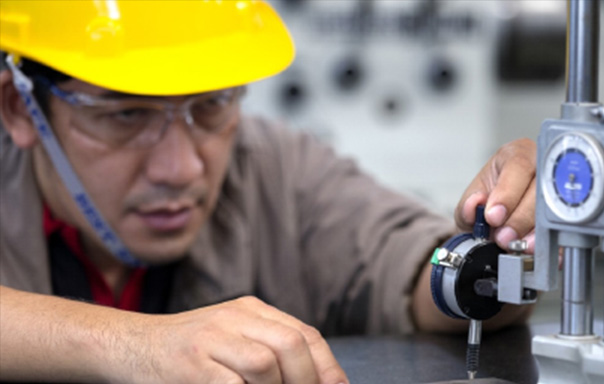
2.Carbide Rating Management: We strictly evaluate carbide non-uniformity ratings against international standards to ensure the microstructure meets the demands of precision tooling.
3.Customized Heat Treatment States: Whether for cold rolling, deep drawing, or direct precision grinding, we provide the optimal spheroidization match for your specific process.
Baoshan District,
Shanghai, China.