
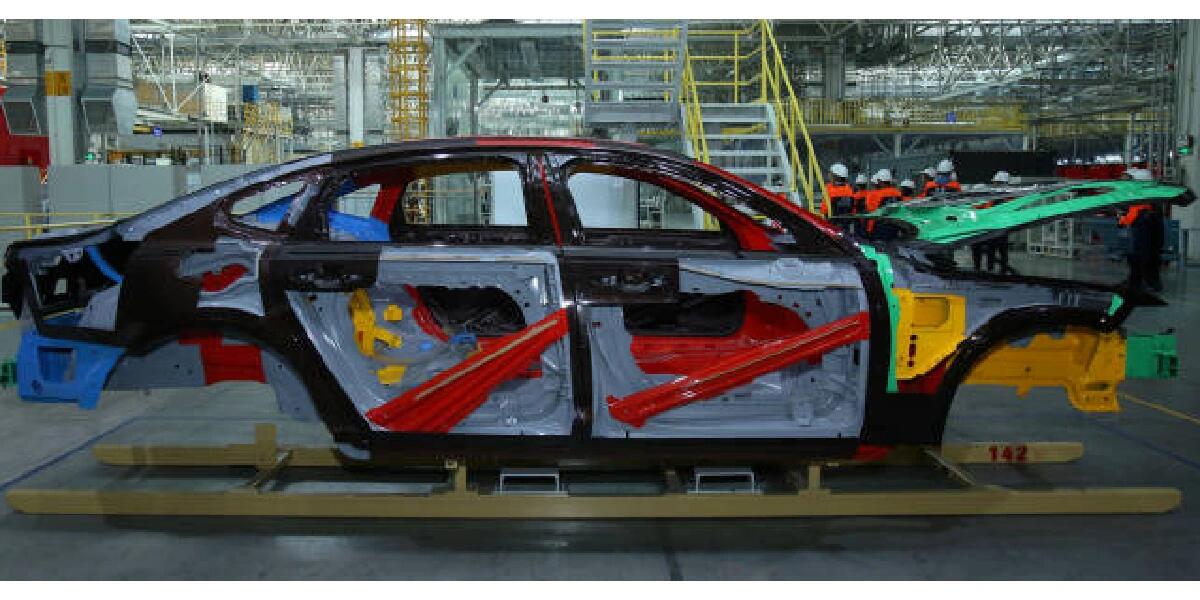
In the field of automobile manufacturing, boron steel car bodies have become one of the core configurations for improving vehicle safety and quality by virtue of their outstanding performance advantages. The specific benefits are reflected in the following five aspects:
The tensile strength of boron steel is far superior to that of ordinary steel. This characteristic enables the car body to effectively resist deformation caused by external forces in the event of a collision, firmly maintain the intact shape of the passenger compartment, and minimize the injury to the occupants caused by body extrusion.
When a car collides, the boron steel car body can absorb a large amount of collision energy through its reasonable structural deformation, and guide the impact force to the body frame instead of the passenger compartment, thus greatly reducing the direct injury to the occupants in the car.
The body structure made of boron steel has stronger impact resistance and stability. It can perform better in various collision tests, help the vehicle obtain higher safety ratings, and provide more reliable safety guarantee for consumers.
Although the density of boron steel is slightly higher than that of ordinary steel, its ultra-high strength allows it to replace thicker ordinary steel in automobile manufacturing. It can achieve the same or even better protection effect with thinner materials, thus realizing the lightweight of the car body and helping the vehicle reduce fuel consumption and exhaust emissions.
Boron steel has good corrosion resistance. Even if it is exposed to complex environments such as humidity and rain for a long time, it can effectively resist rust, extend the service life of the car body, and reduce the later maintenance costs of the vehicle.

Baoshan District,
Shanghai, China.