
Weathering steel, also known as corrosion-resistant steel or Corten steel, is a low-alloy steel between carbon steel and stainless steel, with its technical prototype originating from North America. It not only retains the excellent ductility, high strength and fatigue resistance of carbon steel, but also boasts 2–8 times stronger corrosion resistance than conventional steel.
Based on carbon steel, weathering steel is alloyed with corrosion-resistant elements such as copper, phosphorus and chromium. When exposed to the atmosphere, it forms a dense, highly adhesive rust-colored oxide protective film between the rust layer and the steel substrate. This film blocks oxygen and water from penetrating inward, achieving the effect of "surface rusting while internal structure remains intact".
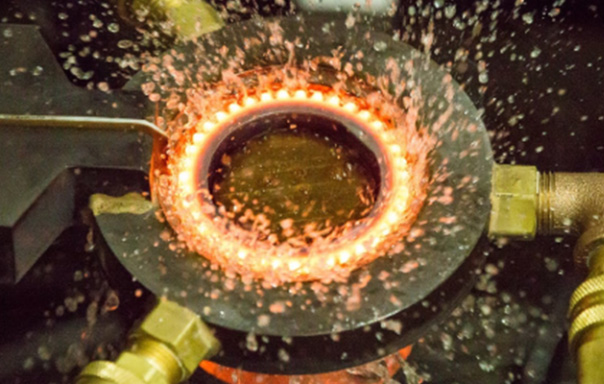
The most commonly used method is the rust stabilization treatment: A special rusting solution is applied to dissolve the initial loose oxide skin on the steel surface, guiding the formation of a uniform and stable rust layer. This layer not only provides corrosion protection, but also prevents rust runoff during the initial service stage.
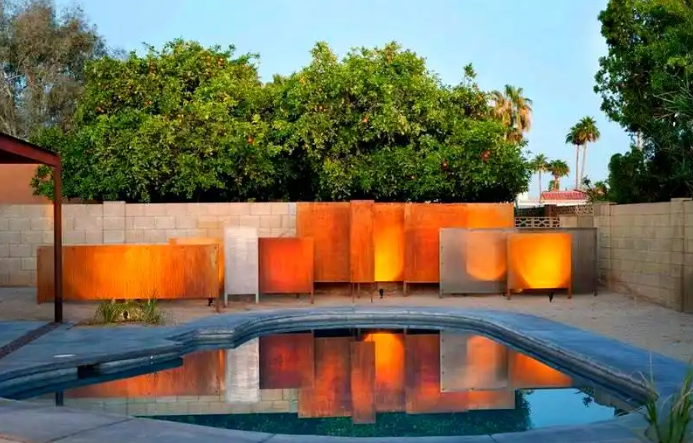
High weathering steel: With a phosphorus content of 0.07–0.15wt%, it features outstanding atmospheric corrosion resistance. Ideal for uncoated outdoor applications such as landscape sculptures and container side panels.
Weldable weathering steel: With phosphorus content ≤0.04wt%, it avoids embrittlement during welding. Suitable for welded components like bridge steel structures and building load-bearing frames.
2–8 times higher atmospheric corrosion resistance than carbon steel
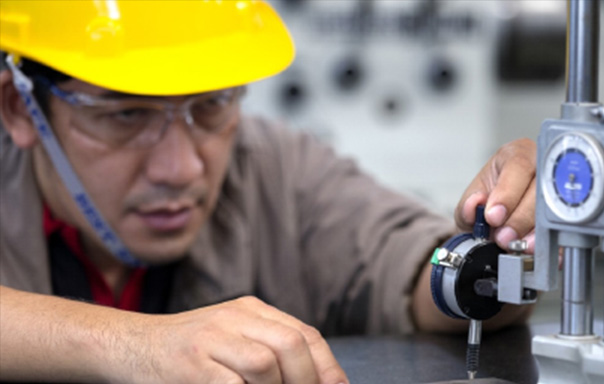
Excellent mechanical properties: toughness, plasticity, weldability and high-temperature resistance
Recyclable, eco-friendly and cost-effective
Good formability, easy to process into diverse shapes
3mm-thick curtain walls: Installed using the same method as aluminum panels; 5mm and thicker plates: Mostly adopt unitized hanging system; Landscape components: Can be directly welded.
Construction precautions: ① Use special welding electrodes to ensure corrosion resistance of weld joints; ② Optimize drainage design to avoid accelerated corrosion caused by water accumulation; ③ Avoid application in salt-rich environments; ④ Control construction temperature within 5–35℃; ⑤ Take protective measures to prevent rust stains from contaminating surrounding objects.

Baoshan District,
Shanghai, China.