
In the food machinery sector, material integrity isn't just a quality standard—it's a safety mandate. Recently, ALLOWORD successfully delivered a high-precision 304L stainless steel project for a client after a rigorous 15-day multi-supplier evaluation. Our victory wasn't just on price, but on our ability to manage the metallurgical nuances of food-grade applications.
I. The Challenge: Beyond Standard Corrosion Resistance
The client, a manufacturer of conveyor components for food processing, required a material that could withstand aggressive acidic/alkaline cleaning agents while ensuring zero heavy metal precipitation.
Their core hesitation stemmed from a common industry pain point: How to ensure the material maintains its intergranular corrosion resistance after the welding process?
II. The ALLOWORD Technical Solution
While the client consulted five competitors, ALLOWORD stood out by providing a transparent, process-driven roadmap that addressed their specific engineering risks.
1. Advanced Metallurgical ControlWe utilized ultra-low carbon 304L (UNS S30403) with C≤0.03%. To optimize the material for high-speed conveyor production, we implemented:
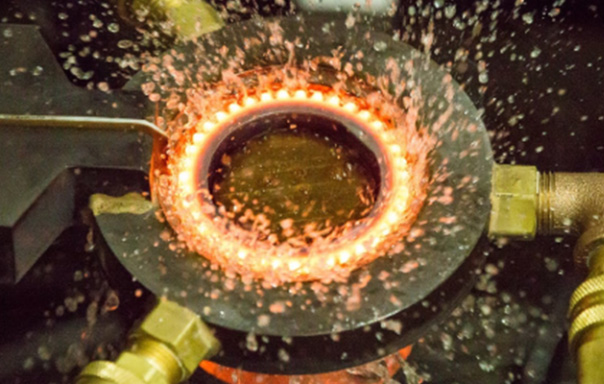
Solution Heat Treatment: Heating to 1050°C followed by rapid quenching to refine grain structure and maximize corrosion resistance.
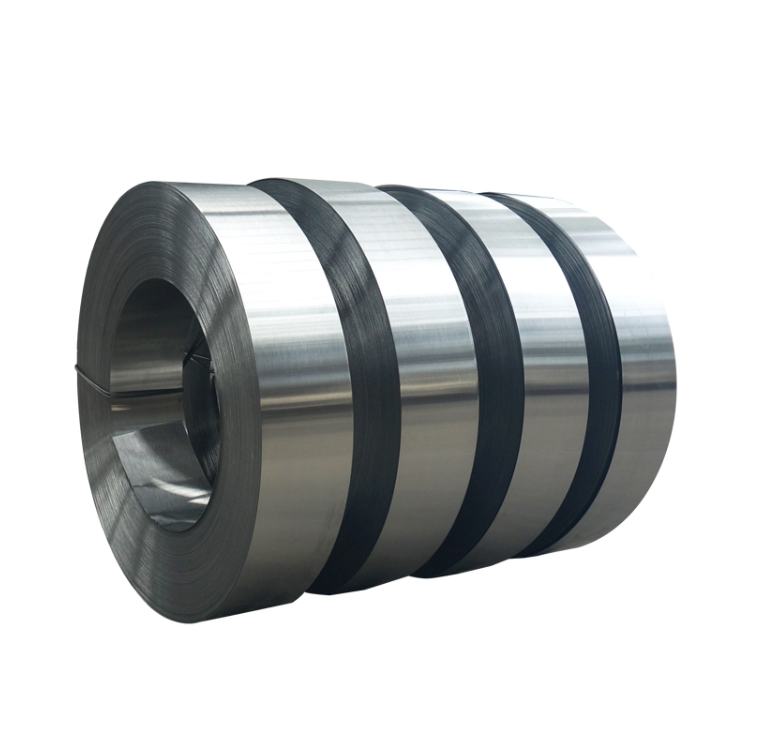
Precision Rolling: A cold-rolling process that tightened thickness tolerances to within ±0.02mm, far exceeding standard commercial grades.
2. Surface & Edge Integrity
For food-grade equipment, microscopic burrs are "bacterial traps."
CNC Slitting & Polishing: We delivered a "Perfect Edge" finish, ensuring zero sharp edges or micro-crevices.
Thermal Management: Using an active water-cooling system during rolling, we prevented oxidative discoloration (heat tint), maintaining a flawless 2B finish.
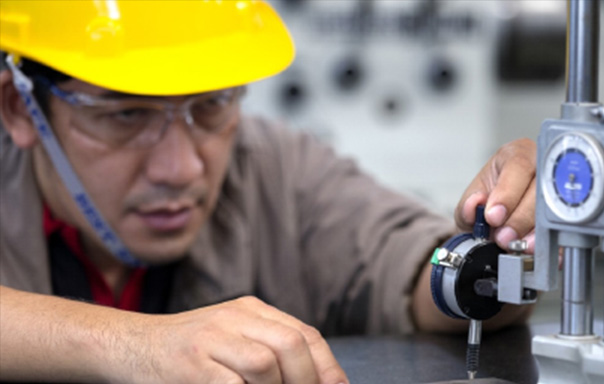
3. Rigorous Verification
Each batch underwent a multi-stage quality audit:Hardness Control: Verified at HRB≤92 for optimal stamping and forming.Environmental Testing: A 48-hour salt spray test and a comprehensive intergranular corrosion report were provided to ensure post-welding stability.
III. Results: Quality Delivered 3 Days Early
The project was completed and delivered via dedicated logistics 3 days ahead of schedule.
Client Feedback: Upon trial processing, the client reported that the material's surface smoothness and weldability perfectly met their high-speed assembly requirements. The moisture-proof + hard tube packaging ensured the 0.8mm strips arrived in "pristine condition."
Long-term Value: This partnership has transitioned from a one-time order to a strategic supply agreement, reinforcing ALLOWORD's reputation for transparency and technical excellence.
The ALLOWORD Verdict
In the food and chemical sectors, the material is the first line of defense. By combining ISO 9001 management with deep metallurgical expertise, ALLOWORD helps manufacturers turn material selection into a competitive advantage.
Baoshan District,
Shanghai, China.