
In the manufacturing of medical devices, high-end chemical seals, and marine engineering equipment, components are exposed for long periods to rigorous corrosive environments containing chloride ions, acid-base media, or human body fluids. This demands not only outstanding mechanical ductility from the material, but also exceptionally strict standards for pitting corrosion resistance, intergranular corrosion resistance, and surface cleanliness. Recently, we received a professional inquiry regarding a high-performance stainless steel strip: 316L stainless steel precision strip, with a thickness of 0.8mm, a width of approximately 200mm, fully compliant with the ASTM A240 standard, primarily used for medical device components and chemical sealing elements, with a required quantity of 3 tons.
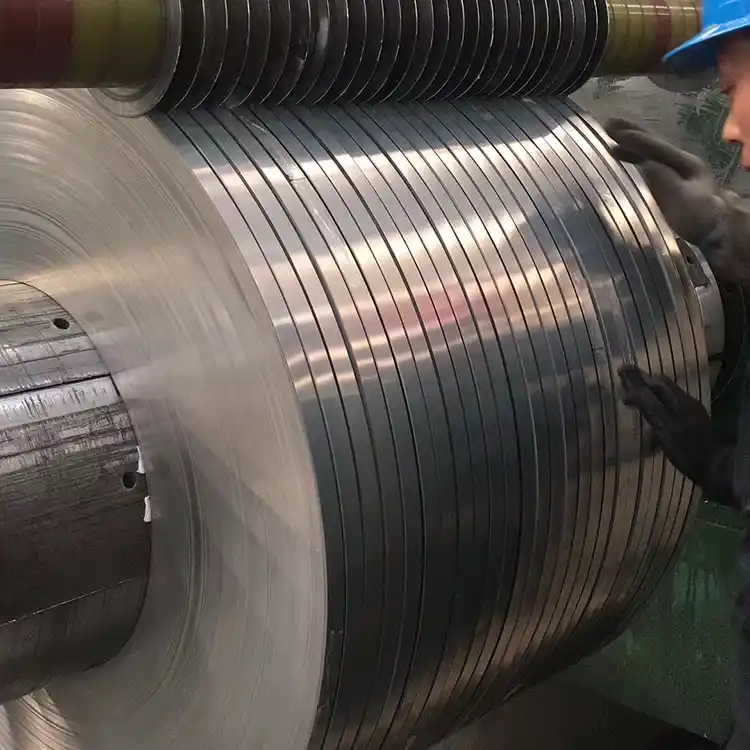
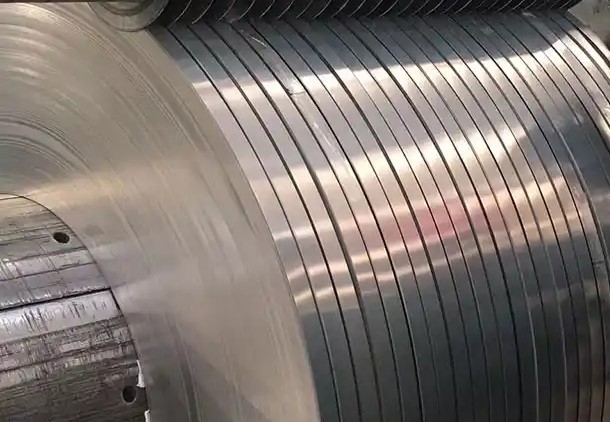
To address this order, which places stringent demands on corrosion resistance, micron-level thickness control, and ultra-high cleanliness, we leveraged our core processes—the 20-high Sendzimir precision rolling mill and bright heat treatment—to deliver a hardcore execution.
I. Decoding Material Genes: Top-Tier Corrosion Resistance and Mechanical Performance of ASTM A240 316L
316L belongs to the extra-low-carbon austenitic stainless steel category (carbon content C≤0.030%), occupying an absolute advantage in corrosion-resistant genetics through scientific alloying element additions:
The Powerful Enhancement of Molybdenum: By introducing 2.0%~3.0% Molybdenum (Mo), the material's resistance to pitting and crevice corrosion is significantly enhanced. Its pitting resistance equivalent (PRE) reaches 24~26, far surpassing conventional 304 stainless steel (PRE ≈19).
Hardcore Mechanical and Ductility Indicators: It features a tensile strength ≥485MPa, a yield strength ≥170MPa, and an elongation as high as ≥40%. While delivering outstanding corrosion resistance, it maintains excellent cold formability, making it widely applied in medical devices, pharmaceutical equipment, chemical seals, marine environment components, and food processing equipment.
II. Precision Breakthrough: Sendzimir Mill and Micron-Level Tolerance Control
Rolling corrosion-resistant stainless steel down to a thin gauge of 0.8mm while meeting the client's requirement for a thickness tolerance strictly controlled within ±0.01mm poses an extreme test to the rigidity and strip shape control capabilities of the rolling mill. This is precisely the core killer feature of our 20-high Sendzimir precision rolling mill:
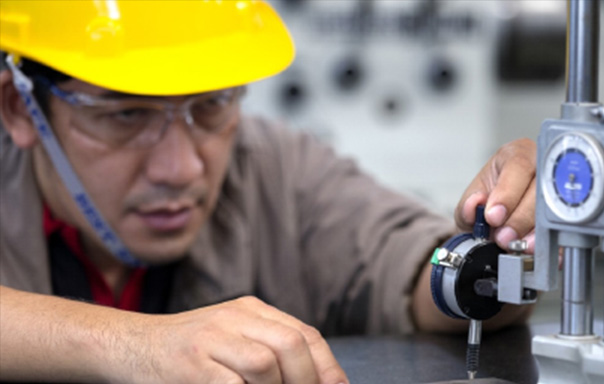
Micron-Level Thickness Control: We successfully stabilize the thickness accuracy of the 0.8mm strip within ±0.005mm, surpassing the client's expected standards.
Superior Strip Shape and Ultra-Low Roughness: Strip flatness is stably maintained at ≤3 I-units, and surface roughness is optimized to Ra≤0.2μm, clearing all physical obstacles for the tight fit and precision stamping of high-end sealing elements.
III. Core Process Safeguards: Iron-Contamination-Free Cleanliness and Post-Weld Corrosion Immunity
Medical devices and chemical sealing elements establish extremely high thresholds for material cleanliness and microstructural stability:
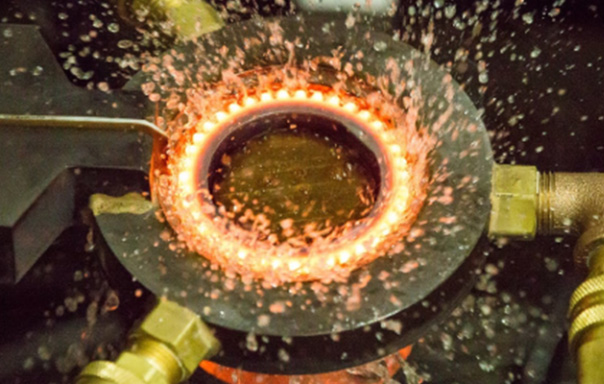
Iron-Contamination-Free, Scratch-Free Precision Manufacturing: Through the joint manufacturing of multi-stage high-efficiency precision cleaning lines and bright annealing lines, we ensure that the strip surface is completely free of iron contamination residue, scratches, and oil stains, fully satisfying the rigorous cleanliness requirements of medical devices and chemical seals.
Zero Intergranular Corrosion Enabled by Extra-Low Carbon: Due to strict control over carbon content (C≤0.030%), the material exhibits no tendency toward intergranular corrosion after welding or high-temperature processing, maintaining long-term stable corrosion-resistant service life even in thick-section applications.
From precise alignment with the ASTM A240 standard to the micron-level precision of the Sendzimir mill, and onward to a bright, pollution-free clean surface, we continue to escort global medical device and chemical seal manufacturing enterprises with a flexible 3-ton minimum order quantity and efficient production capacity!
Baoshan District,
Shanghai, China.